

Vacuum Packaging vs. Modified Atmosphere Packaging (MAP): What's the Difference?
Keeping food fresh during storage, transportation, and distribution takes more than a reliable seal. You should also consider what happens inside the package after it's closed. Oxygen exposure, moisture, and other environmental factors can all affect product quality, accelerate spoilage, and shorten shelf life.
Two common approaches to managing these challenges are vacuum packaging and modified atmosphere packaging (MAP). Both are designed to create packaging conditions that help preserve food, but they accomplish this in different ways.
So, what's the difference between vacuum packaging and MAP? And how do you determine which approach makes sense for your product? In this article, we'll explain how each process works, compare their benefits, and explore how barrier films help maintain freshness and protect food quality.
What Is Vacuum Packaging?
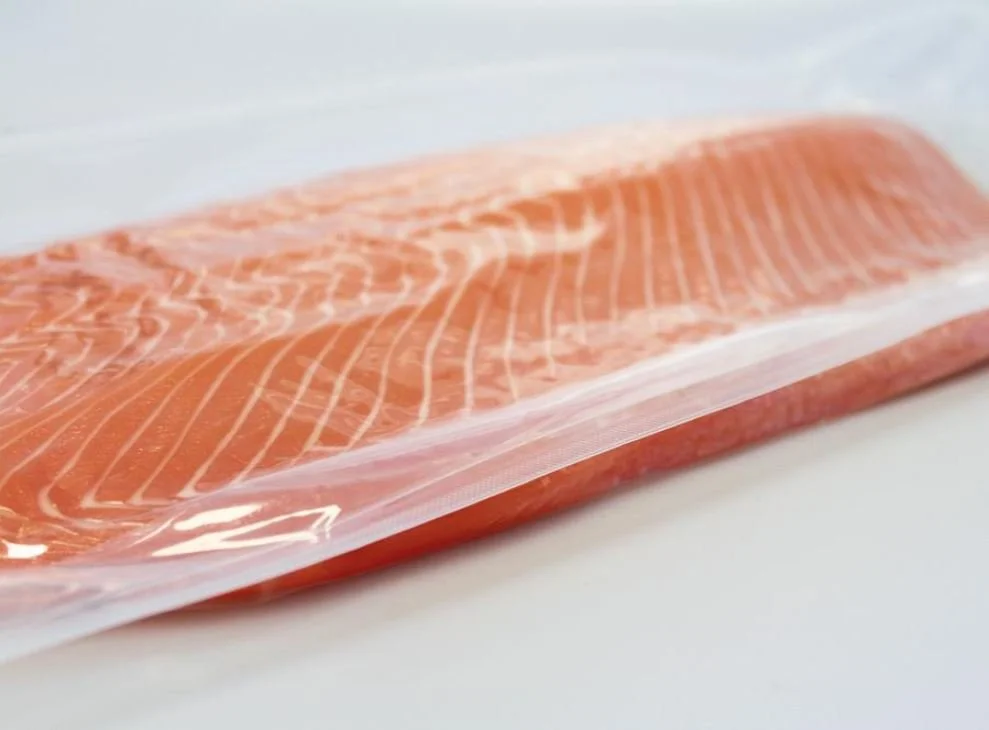
Vacuum packaging
Vacuum packaging removes air from a package before it is sealed. By reducing the amount of air inside, the process limits the oxygen available to contribute to oxidation and certain forms of food spoilage.
The product is placed inside a package, air is extracted, and the packaging is sealed to maintain the reduced-pressure environment. Depending on the application, vacuum packaging may use flexible pouches, bags, or other packaging formats designed to withstand the process.
Vacuum packaging is commonly used for products such as fresh and processed meats, cheese, seafood, and other foods where limiting oxygen exposure can help preserve quality.
Some of the benefits of vacuum packaging include:
Reduced oxygen exposure: Removing air helps limit oxidation, which can contribute to changes in color, flavor, and quality.
Extended product freshness: When combined with appropriate storage conditions, vacuum packaging can help extend the usable life of certain foods.
Reduced package volume: Removing excess air can create a more compact package, which may help with storage and transportation.
Product protection: A properly sealed package helps protect food from outside contamination during handling and distribution.
Vacuum packaging is not appropriate for every product. Some foods are easily compressed, while others require oxygen or specific gas conditions to maintain their quality. Product characteristics, processing requirements, and food safety considerations all influence whether vacuum packaging is a suitable option.
What Is Modified Atmosphere Packaging (MAP)?
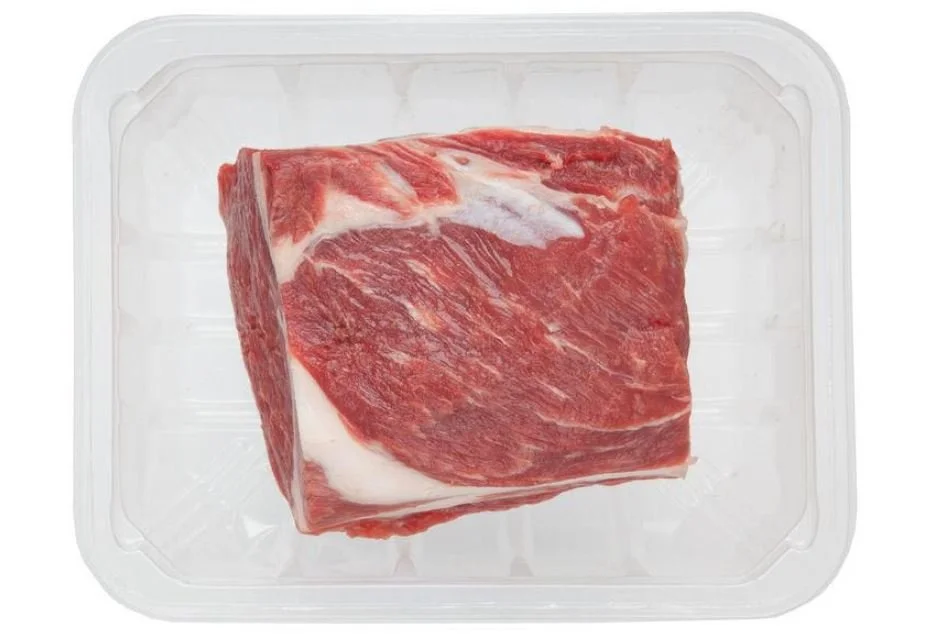
Modified atmosphere packaging (MAP)
Modified atmosphere packaging, commonly called MAP, changes the composition of the air inside a package before sealing it. Instead of simply removing the air, this process replaces the original atmosphere with a controlled mixture of gases selected and optimized for the food being packaged.
The gases used depend on the product and its preservation requirements. Common examples include:
Carbon dioxide (CO₂): Can help slow the growth of many spoilage microorganisms, depending on the food and storage conditions.
Nitrogen (N₂): An inert gas often used as a filler to displace oxygen and help prevent package collapse.
Oxygen (O₂): Used in certain applications where maintaining product color or supporting specific product characteristics is important.
The right gas mixture can vary considerably by food type. For example, fresh red meat may use an oxygen-rich atmosphere to help maintain its characteristic red color, while other products benefit from reduced oxygen levels.
MAP is used across a range of food categories, including fresh meat, poultry, seafood, cheese, produce, and prepared foods.
Some of the benefits of MAP include:
Atmosphere control: Gas mixtures can be selected to address the preservation needs of specific foods.
Product presentation: Certain MAP applications help maintain visual characteristics, such as the color of fresh meat.
Freshness preservation: Properly designed MAP systems can slow certain quality changes and spoilage processes.
Packaging flexibility: MAP can be used with different packaging formats, including trays with lidding films and flexible packaging.
MAP requires careful control of gas composition, sealing, and storage conditions. The packaging must also maintain the intended atmosphere throughout distribution and storage for the system to perform as designed.
Vacuum Packaging vs. MAP: What's the Difference?
The biggest difference between vacuum packaging and MAP is how each method manages the atmosphere inside the package.
Vacuum packaging removes air to reduce oxygen exposure. MAP replaces the original air with a selected mixture of gases to create an environment suited to the product.
Here are some key considerations and how they compare across these two options:
| Consideration | Vacuum Packaging | Modified Atmosphere Packaging (MAP) |
|---|---|---|
| How it works | Removes air before sealing | Replaces air with a selected gas mixture |
| Oxygen levels | Generally reduced | Depends on the chosen gas mixture |
| Common formats | Flexible bags and packages | Trays with lidding films, pouches, and other formats |
| Typical applications | Meat, cheese, seafood, and processed foods | Meat, poultry, seafood, produce, cheese, and prepared foods |
| Key considerations | Package integrity and suitability for vacuum conditions | Gas composition, package integrity, and atmosphere |
Neither method is automatically better. The right choice depends on the food's characteristics, desired appearance, processing requirements, distribution environment, and intended shelf life.
For example, vacuum packaging may be a good fit when reducing oxygen exposure and package volume is a priority. MAP may be more appropriate when a specific gas mixture is needed to preserve appearance or manage the product's internal environment.
Why Barrier Films Matter for Vacuum Packaging and MAP
Both vacuum packaging and MAP depend on more than the equipment used to remove or replace gases. The packaging material should help maintain the intended conditions after the package is sealed.
Understanding how barrier films prevent food spoilage and extend shelf life is an important part of understanding why material selection matters in both applications.
This is where barrier films become especially important.
Barrier films are designed to limit the transmission of substances such as oxygen and water vapor through packaging. Depending on their construction, they can help protect food from environmental exposure while maintaining the atmosphere created during the packaging process.
For vacuum packaging, a suitable film helps maintain the reduced-oxygen environment and withstand the physical demands of the vacuum process. For MAP, the film helps retain the selected gas mixture by limiting unwanted gas exchange between the package interior and the surrounding environment.
Several packaging characteristics influence performance:
Oxygen barrier: Oxygen can contribute to oxidation and other quality changes. A film with appropriate oxygen barrier properties helps limit oxygen transmission and maintain the intended package atmosphere.
Moisture barrier: Water vapor can affect product texture, weight, and quality. Moisture barrier properties help manage the movement of moisture into or out of a package.
Seal integrity: Even a high-barrier film cannot compensate for a poor seal. Consistent seals help prevent leaks that could compromise the package atmosphere.
Puncture and abrasion resistance: Packaging may encounter pressure, handling, stacking, and transportation challenges. The film must provide enough durability to protect the product and maintain package integrity.
The right combination of properties depends on the food, packaging equipment, and distribution conditions. A film that performs well for one product or process may not be suitable for another.
How to Choose the Right Packaging Film
Selecting a barrier film for vacuum packaging or MAP requires a close look at the product and the conditions it will encounter. You should consider several factors before choosing a packaging material.
1. Understand the Product's Preservation Requirements
2. Evaluate Oxygen and Moisture Transmission
3. Consider Packaging Equipment and Format
4. Account for Storage and Distribution
5. Validate the Complete Packaging System
1. Understand the Product's Preservation Requirements
Start with the food itself. Does it require reduced oxygen exposure? Is maintaining color important? How sensitive is it to moisture loss, oxidation, or changes in texture? These characteristics help determine the type of atmosphere and barrier performance the package needs.
2. Evaluate Oxygen and Moisture Transmission
Two important measurements are oxygen transmission rate (OTR) and water vapor transmission rate (WVTR). OTR measures how quickly oxygen passes through a material, while WVTR measures the rate at which water vapor passes through it.
These values help you compare packaging materials, but they must be evaluated under relevant test conditions. Temperature and humidity can affect barrier performance, so published numbers should be considered in the context of actual storage and distribution environments.
3. Consider Packaging Equipment and Format
The material must be compatible with the packaging machinery and sealing process. Vacuum applications may require films that can conform to the product while maintaining their integrity. MAP applications require materials and package formats that support reliable sealing and atmosphere retention.
4. Account for Storage and Distribution
Refrigeration, temperature fluctuations, humidity, transportation time, and handling can all affect packaging performance. The selected film should be appropriate for the conditions the product will encounter from production through delivery.
5. Validate the Complete Packaging System
Film selection is only one part of the process. You should evaluate the finished package, including gas composition where applicable, seal integrity, equipment settings, and the actual product shelf life. Testing under realistic conditions helps confirm that the packaging system meets its performance goals.
Frequently Asked Questions About Packaging Films
Q: Is vacuum packaging the same as modified atmosphere packaging?
A: No. Vacuum packaging removes air from a package before sealing, while modified atmosphere packaging replaces the original air with a selected mixture of gases. Both methods can help preserve food, but they create different conditions inside the package.
Q: Does MAP extend food shelf life?
A: MAP can help extend the shelf life of certain foods by creating an atmosphere that slows specific spoilage processes. Results depend on the food, gas mixture, packaging material, processing practices, and storage conditions.
Q: Why are barrier films important for MAP?
A: Barrier films help limit gas exchange between the inside and outside of a package. This helps maintain the selected atmosphere and supports the performance of the MAP system throughout storage and distribution.
Q: Can the same packaging film be used for vacuum packaging and MAP?
A: Some films may be suitable for both processes, but compatibility depends on the material's barrier properties, strength, sealing characteristics, and the requirements of the packaging equipment. You should evaluate the film against your specific application rather than assume one material will work for every process.
Q: Can barrier films be used with vacuum packaging and MAP?
A: Yes. Barrier films are frequently used with both vacuum packaging and modified atmosphere packaging. Their ability to limit gas transmission helps maintain the internal conditions created during the packaging process.
Q: Does vacuum packaging eliminate the need for refrigeration?
A: No. Vacuum packaging does not make perishable food shelf-stable or eliminate the need for proper temperature control. Refrigeration, sanitation, handling, and validated food safety practices remain essential.
Conclusion: How Flexible Packaging Helps with Food Preservation
Flexible packaging provides you with options for designing packages around different products, production processes, and preservation requirements.
Depending on the application, flexible packaging solutions may include barrier films, lidding films, pouches, and roll stock. These formats can support different vacuum and MAP configurations while providing the barrier and sealing characteristics required for the product.
Choosing the right solution starts with understanding the product and its requirements. Working with an experienced flexible packaging supplier can help you evaluate material options, packaging formats, and performance considerations before moving into production.
Century Flexible Packaging provides flexible packaging options for a variety of food applications. Contact Century Flexible Packaging or explore our product offerings to learn more about available solutions and find a packaging approach that supports your product's needs.