
What is a Gaylord Liner? A Complete Guide to Bulk Container Liners
When you need to move, store, or transport large quantities of materials, packaging has a bigger job than simply holding everything together. Products also need protection from contamination, moisture, handling damage, and other environmental factors that can affect quality before they reach their next destination.
That's where Gaylord liners come in.
Commonly used in manufacturing, food processing, warehousing, and industrial packaging, Gaylord liners provide an additional layer of protection inside large bulk containers. They help keep products separated from the container itself while making bulk material handling cleaner and more manageable.
But what exactly is a Gaylord liner, how does it work, and when should you consider using one? In this article, we'll explain what Gaylord liners are, how they differ from the containers they're designed to protect, their most common applications, and the factors you should understand and consider before incorporating them into your packaging operations.
What Is a Gaylord Liner?

Gaylord liner
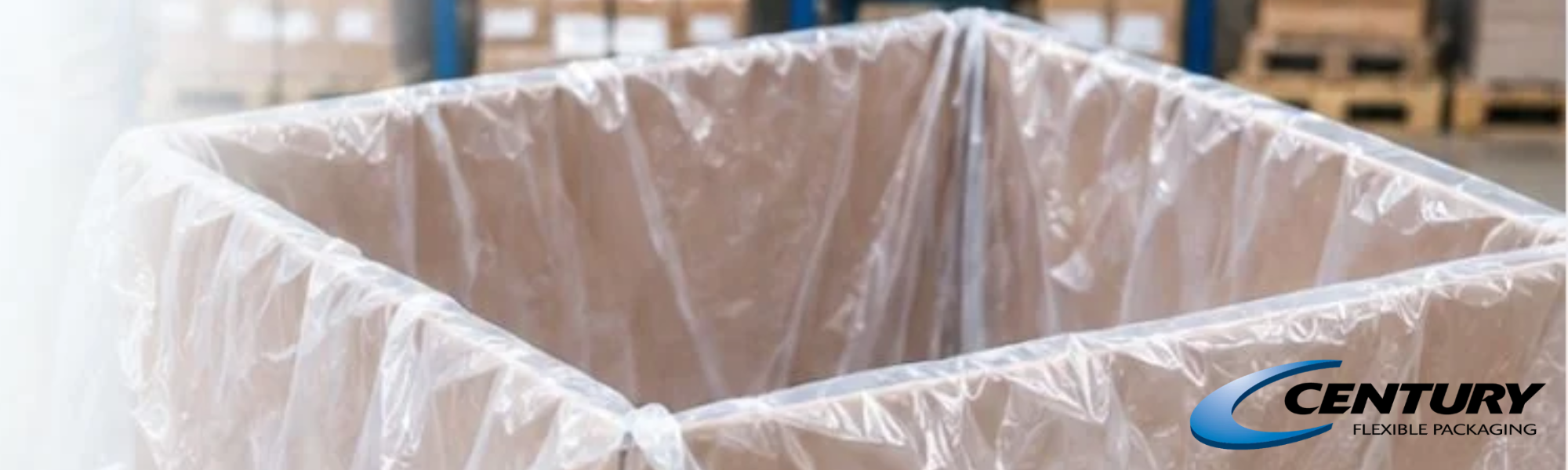
A Gaylord liner is a large flexible bag or sheet of packaging material designed to fit inside a Gaylord box or another type of bulk container. Its primary purpose is to create a protective barrier between the container and the products stored inside.
Gaylord liners are commonly made from polyethylene plastic, although material selection and construction can vary depending on the application and packaging requirements.
Unlike smaller plastic bags used for individual products, Gaylord liners are designed to accommodate large quantities of bulk materials. They can line the bottom and interior walls of a container, with excess material extending over the top edges to help keep the liner in position.
Depending on the design, liners can also be configured to accommodate specific container dimensions, product characteristics, and filling or unloading processes.
Gaylord liners are useful for several reasons, including:
Protecting products from dirt, dust, and other contaminants.
Creating a barrier between materials and corrugated or reusable containers.
Helping manage moisture exposure.
Keeping loose materials contained during handling and transportation.
Making containers easier to clean between uses.
Supporting more sanitary bulk storage and handling practices.
The exact benefits depend on the specific liner's material, thickness, construction, and intended application. Choosing the right liner is particularly important when packaging sensitive products or materials with specific handling requirements.
What Is a Gaylord Box?
To understand how Gaylord liners work, it helps to understand the containers they're designed to fit.
A Gaylord box is a large, pallet-sized bulk container commonly used to store and transport substantial quantities of materials. Most traditional Gaylord boxes are constructed from heavy-duty corrugated cardboard, although bulk containers can also be made from plastic, metal, or other materials.
Unlike standard shipping cartons, Gaylord boxes are designed to accommodate bulk quantities of products. They're commonly used in manufacturing facilities, distribution centers, agricultural operations, and recycling facilities.
Depending on their construction and intended application, Gaylord boxes can hold everything from plastic components and automotive parts to agricultural products, food ingredients, and recyclable materials.
The term "Gaylord" is commonly used throughout the packaging industry to describe these large bulk containers, although dimensions, wall construction, and overall designs can vary.
So where does the liner fit into the equation?
The Gaylord box provides the structural support and overall container, while the liner creates an interior protective barrier. With these benefits together, they provide a practical packaging solution for when you need to store or transport large quantities of loose or bulk materials.
How Does a Gaylord Liner Work?
A Gaylord liner sits inside the bulk container, covering the interior surfaces that come into contact with the packaged product.
In a typical application, the liner is placed inside an empty Gaylord box before the product is loaded. The liner is opened and positioned so that it covers the bottom and sides of the container. Depending on its size and design, the top edges may be folded or draped over the container's rim.
Once positioned, the liner creates a separation between the contents and the container walls.
After the liner is installed, the container can be filled according to the facility's established packaging procedures. Once full, the liner may be folded, gathered, tied, or otherwise secured depending on the product and transportation requirements.
When the contents are ready to be unloaded, the liner can be removed along with the material or handled separately, depending on the packaging design.
This relatively straightforward process can make a meaningful difference in bulk material handling. It helps reduce direct contact between products and container surfaces while providing a convenient way to contain loose materials.
However, proper installation matters. A liner that is incorrectly sized, poorly positioned, or incompatible with the filling process can actually create problems instead during operation.
What Are Gaylord Liners Used For?
Gaylord liners are used across several industries where bulk quantities of products and materials need to be stored, moved, or transported.
While the specific requirements can vary, the underlying goal is generally the same: provide an additional layer of protection while keeping bulk packaging operations efficient.
Here are some of the most common usage cases for Gaylord liners:
Food Processing and Food Manufacturing
Automotive and Manufacturing
Warehousing and Distribution
Agriculture and Agricultural Processing
Recycling and Industrial Material Handling
Food Processing and Food Manufacturing
Food manufacturers frequently handle large quantities of ingredients and finished products throughout their production and distribution processes.
Depending on the application, Gaylord liners can help protect bulk food ingredients from direct contact with container surfaces, dust, and other potential sources of contamination.
Common applications may include bulk storage and transportation of dry ingredients, powders, grains, and other food-processing materials.
That being said, food-contact applications do require additional consideration. Always verify that the liner is suitable for the intended food-contact conditions and complies with applicable regulatory requirements.
Automotive and Manufacturing
Automotive and manufacturing operations often have to move large quantities of components, raw materials, and finished parts between production areas, warehouses, and distribution facilities.
Gaylord liners can help protect these materials from dirt, dust, and direct contact with bulk containers.
For example, automotive manufacturers may use lined bulk containers to handle plastic components, molded parts, and other production materials that need protection during storage and transportation.
Depending on the application, liners may also help keep reusable containers cleaner between production runs.
Warehousing and Distribution
Distribution centers and warehouses regularly handle products in bulk quantities, particularly when consolidating inventory or transferring materials between facilities.
Gaylord liners can help keep products contained and provide an additional protective barrier during storage and transportation.
They're especially useful when you need to move loose materials that would otherwise come into direct contact with corrugated boxes, reusable bins, or other container surfaces.
Agriculture and Agricultural Processing
Agricultural operations handle a wide variety of bulk products, including grains, seeds, produce, and other raw materials.
Depending on the product and handling requirements, Gaylord liners can help protect these materials during collection, storage, and transportation.
The appropriate liner will depend on factors such as product weight, moisture characteristics, storage conditions, and whether the material requires food-contact packaging.
Recycling and Industrial Material Handling
Gaylord boxes are also common in recycling facilities and industrial environments where large quantities of loose materials are collected and transported.
Liners can provide a barrier between recyclable materials and the container, helping make certain collection and handling processes easier to manage.
Applications may include plastic materials, manufacturing scrap, and other industrial products.
The right liner depends heavily on the material being handled. Sharp edges, heavy components, and abrasive contents can create additional demands on packaging performance.
What Are the Benefits of Using a Gaylord Liner?
The value of a Gaylord liner goes beyond simply putting a plastic bag inside a large box. When properly selected and used, liners can help you improve product protection, streamline material handling, and maintain cleaner packaging operations.
Here are some of the primary benefits:
1. Additional Product Protection
2. Improved Moisture Management
3. Cleaner Containers and Easier Handling
4. Better Containment of Loose Materials
5. Greater Packaging Flexibility
1. Additional Product Protection
One of the biggest advantages of a Gaylord liner is the protective barrier it creates between products and the container.
Corrugated cardboard, reusable plastic bins, and metal containers can accumulate dirt, dust, moisture, or residue over time. A liner helps separate the packaged materials from those surfaces.
This can be particularly important for products that require cleaner storage conditions or are sensitive to external contaminants.
2. Improved Moisture Management
Depending on the material and construction, plastic liners can help limit exposure to moisture from the container or surrounding environment.
This can be useful when transporting or storing products that need protection from incidental moisture exposure.
However, it's important to understand the difference between moisture resistance and a completely sealed moisture barrier. A standard Gaylord liner may not provide the level of protection needed for products requiring extended moisture control or specialized barrier performance.
Those applications may call for a more specialized packaging solution.
3. Cleaner Containers and Easier Handling
Liners can help prevent product residue from accumulating directly on the inside surfaces of bulk containers.
This is especially useful in operations that handle powders, granular materials, or products that leave behind residue during storage and transportation.
Depending on the application, removing and replacing the liner can also reduce the cleaning required between container uses.
For facilities using reusable bulk bins, this can be a practical advantage.
4. Better Containment of Loose Materials
Loose materials can shift, spill, or become trapped in container corners during handling and transportation.
A properly fitted liner helps keep these materials contained within a defined interior space.
This can make certain bulk handling processes easier to manage, particularly when working with small components, granules, powders, or other loose products.
5. Greater Packaging Flexibility
Gaylord liners can be used across a wide variety of applications, with different materials, dimensions, and constructions available to address different packaging requirements.
This flexibility allows you to evaluate liners based on the specific products you’re handling rather than relying on a one-size-fits-all solution.
What Materials Are Gaylord Liners Made From?
Polyethylene is one of the most common materials used in Gaylord liner manufacturing.
Polyethylene offers several useful characteristics for industrial packaging, including flexibility, moisture resistance, and the ability to be manufactured in different thicknesses and configurations.
However, not all polyethylene liners are the same. Material selection can influence strength, flexibility, puncture resistance, and overall packaging performance.
Two commonly used polyethylene materials include:
Low-Density Polyethylene (LDPE): LDPE is known for its flexibility, softness, and relatively good clarity. It can be useful in applications where a flexible liner is needed to conform to the inside of a bulk container.
Linear Low-Density Polyethylene (LLDPE): LLDPE generally offers good tensile strength and puncture resistance while maintaining flexibility. These characteristics can make it useful for applications involving heavier or more demanding materials.
Some liners may also use blended polyethylene formulations to achieve a particular combination of performance characteristics.
Beyond material selection, factors such as thickness, dimensions, and manufacturing construction all also influence how a liner performs.
If you’re handling products with specialized requirements, you should also consider food-contact suitability, static control, or other application-specific properties.
How Are Gaylord Liners Different from Other Industrial Liners?
Gaylord liners are part of a broader category of industrial packaging liners, but their size and intended application distinguish them from many other options.
For example, drum liners are designed to fit inside cylindrical containers, while smaller bin liners accommodate waste receptacles and other compact storage containers.
Gaylord liners are designed for much larger bulk containers, making them suitable for operations that handle substantial quantities of materials at once.
Other related packaging products include:
Bulk bin liners: A broader term for liners used inside large storage and transportation containers. Depending on the supplier, these may overlap with Gaylord liners.
Tote liners: Designed for reusable totes and other bulk handling containers.
Drum liners: Used inside drums to protect container surfaces and help contain the packaged product.
Pallet liners: Used to create a protective layer between products and pallet surfaces.
Although these products serve similar purposes, they're not usually interchangeable. Container dimensions, filling methods, product characteristics, and handling requirements all influence which option makes the most sense.
What Should You Consider When Using Gaylord Liners?
Selecting a Gaylord liner involves more than finding a bag that fits inside a container.
You should consider the product being packaged, the environment in which it's stored, and how the container moves through the facility.
Some of the most important factors include:
Container dimensions: The liner needs to accommodate the interior dimensions of the Gaylord box or bulk bin, including its height and overall shape.
Product characteristics: Weight, texture, sharp edges, moisture sensitivity, and other product properties can influence the type of liner needed.
Material and thickness: Different polyethylene materials and thicknesses offer different performance characteristics. The appropriate combination depends on the demands of the application.
Filling and unloading methods: A liner must work with the equipment and processes used to load, handle, and empty the container.
Storage and transportation conditions: Temperature, handling frequency, stacking, and exposure to environmental conditions can all influence packaging performance.
Regulatory requirements: Applications involving food or other regulated products may require materials that meet specific compliance standards.
These considerations are a strong starting point for evaluating packaging requirements. The best solution will depend on how all of these factors work together in your unique situation.
Frequently Asked Questions About Gaylord Liners
Q: What is the purpose of a Gaylord liner?
A: A Gaylord liner creates a protective barrier inside a large bulk container. It helps protect products from dirt, dust, moisture exposure, and direct contact with container surfaces while keeping loose materials contained during storage and transportation.
Q: Are Gaylord liners waterproof?
A: Many Gaylord liners are made from polyethylene, which offers moisture resistance. However, whether a liner is waterproof or provides an adequate moisture barrier depends on its material, construction, thickness, and closure method. Standard liners should not automatically be treated as hermetically sealed packaging.
Q: Are Gaylord liners reusable?
A: Some Gaylord liners may be suitable for limited reuse, depending on their condition, material, and intended application. However, many are designed for single-use applications. You should always evaluate cleanliness, damage, contamination risks, and applicable regulatory requirements before reusing a liner.
Q: What products can be stored in a Gaylord liner?
A: Gaylord liners can accommodate a wide range of bulk materials, including manufacturing components, automotive parts, agricultural products, dry food ingredients, powders, granules, and recyclable materials. The liner must be appropriate for the product's weight, characteristics, and storage requirements.
Q: Are Gaylord liners available in different sizes?
A: Yes! Gaylord liners are available in different dimensions and configurations to accommodate various bulk containers. Custom sizing may also be an option when standard dimensions don't meet a facility's requirements.
Q: Can Gaylord liners be used for food products?
A: Some Gaylord liners are manufactured for food-contact applications. However, you should verify that the specific material and finished packaging meet the applicable food-contact requirements for the intended product and conditions of use.
Q: How thick should a Gaylord liner be?
A: The appropriate thickness depends on the product being packaged, its weight, the potential for punctures or abrasion, and how the container will be handled. Thickness should be evaluated alongside material properties rather than used as the only measure of performance.
Conclusion: Find the Right Gaylord Liner for Your Packaging Operation
Gaylord liners play an important role in bulk packaging by helping protect products, maintain cleaner containers, and improve material handling across a variety of industries.
But the right liner depends on more than the dimensions of the box. Product characteristics, material selection, packaging conditions, and handling processes all contribute to finding a solution that performs reliably.
At Century Flexible Packaging, we understand that packaging requirements can vary significantly from one operation to another. Our team works with you to identify packaging solutions that align with their products, processes, and performance requirements.
Whether you're exploring Gaylord liners for the first time or evaluating options for an existing packaging operation, we're here to help you find a solution that makes sense for your application.
Explore our Gaylord liner and packaging solutions, or contact Century Flexible Packaging to discuss your packaging needs.
Check Out These Related Articles:
How the Right Barrier Films Prevent Food Spoilage and Extend Shelf Life
How to Prevent Shipping Damage: A Guide to Industrial Protective Packaging Solutions