
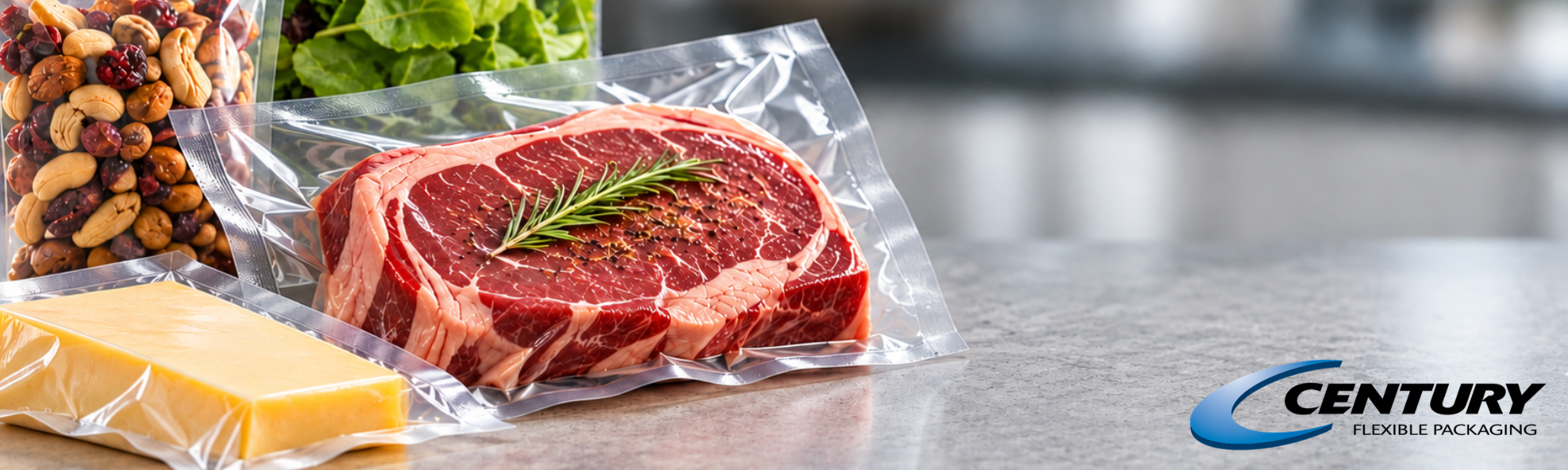
How the Right Barrier Films Prevent Food Storage and Extend Shelf Life
A food product can be perfectly prepared, processed, and handled, only to lose its quality because of inadequate packaging. Oxygen exposure, moisture changes, light, and other external contaminants can all contribute to food spoilage, creating problems for manufacturers, distributors, retailers, and end users. Even small packaging failures can lead to shortened shelf life, unnecessary product waste, and increased operating costs.
The right packaging helps prevent these problems before they start. Barrier films provide an additional layer of protection by controlling how environmental elements interact with packaged food. Depending on their construction, these specialized films can help preserve freshness, maintain texture, protect flavor, and extend the amount of time a product remains at its intended quality.
For food manufacturers and processors, choosing the right barrier film is an important part of maintaining product quality throughout the supply chain.
But how do these films work, what materials provide the best protection, and how can you determine which solution is right for your products? In this article, we'll explore five ways barrier films protect food from spoilage, which products benefit most, and how to choose the right packaging for your application.
What Are Barrier Films in Food Packaging?
Barrier films are specialized packaging materials designed to limit the transmission of gases, moisture, light, and other external elements that can contribute to food deterioration.
Traditional packaging films primarily provide containment and basic physical protection. Barrier films take that protection further by controlling the movement of substances through the packaging material itself.
Many barrier films use multiple layers of different materials, with each layer contributing specific properties. One layer might provide moisture resistance, another may help limit oxygen transmission, and another may provide the strength and flexibility needed to withstand packaging and distribution.
Common materials used in food packaging films include:
· Polyethylene (PE): Offers moisture resistance, flexibility, and reliable heat-sealing properties.
· Polypropylene (PP): Provides moisture resistance, clarity, and durability for various packaging applications.
· Polyamide (PA or Nylon): Adds strength and puncture resistance, making it useful for applications requiring additional durability.
· Ethylene Vinyl Alcohol (EVOH): Provides excellent oxygen barrier properties when incorporated into appropriate packaging structures.
· Polyethylene Terephthalate (PET): Offers strength, dimensional stability, and useful barrier characteristics.
· Aluminum foil: Provides an exceptionally strong barrier against oxygen, moisture, and light.
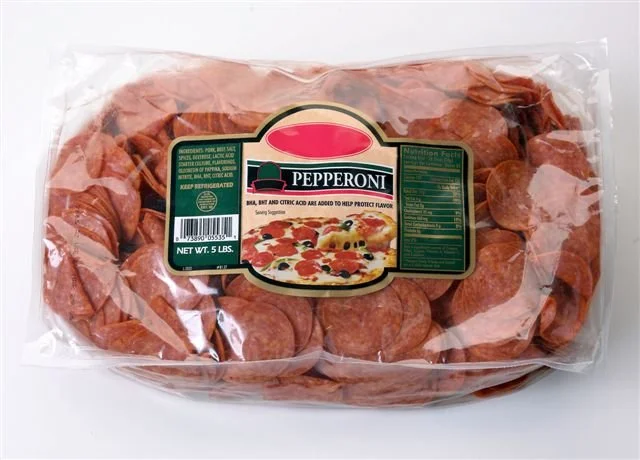
Form fit seal
These materials can even be combined into multilayer structures to achieve specific packaging performance requirements.
The important consideration is that different foods require different kinds and levels of protection. A packaging film designed for dry snack foods may not provide the properties needed for fresh meat, dairy products, or frozen foods.
For manufacturers and processors evaluating their options, Century Flexible Packaging offers barrier films and other flexible packaging products designed for a range of industrial and food processing applications.
Choosing the right barrier structure starts with understanding what causes a particular food product to deteriorate.
5 Ways Barrier Films Help Prevent Food Spoilage
Food spoilage can occur through several processes, including oxidation, microbial growth, moisture loss, and chemical changes. Having the right packaging can help control the environmental factors that can contribute to these problems.
Here are five important ways barrier films help maintain food quality:
1. Reduce Oxygen Exposure and Oxidation
2. Control Moisture and Water Vapor
3. Protect Food from Light Exposure
4. Preserve Flavor and Aroma
5. Create a Protective Barrier Against External Contaminants
1. Reduce Oxygen Exposure and Oxidation
Oxygen is one of the biggest contributors to food quality deterioration.
When oxygen interacts with certain food components, it can trigger oxidation. This chemical reaction can cause fats and oils to become rancid, contribute to discoloration, and negatively affect flavor and nutritional quality.
Think about a bag of nuts or potato chips that has been exposed to air for too long. The product may develop an unpleasant taste or lose the flavor consumers expect. Similar reactions can affect cooking oils, processed meats, dairy products, and other oxygen-sensitive foods.
Oxygen barrier films help slow these reactions by reducing the amount of oxygen that can pass through the packaging material.
Materials such as EVOH and aluminum foil are commonly incorporated into packaging structures when stronger oxygen protection is needed. The specific material and construction depend on the food product and its required shelf life.
For products requiring additional preservation, oxygen barrier films can also work alongside vacuum packaging and modified atmosphere packaging (MAP). These methods reduce or control the gases inside the package, while the barrier film helps maintain the intended atmosphere during storage and distribution.
2. Control Moisture and Water Vapor
Moisture plays a major role in food freshness, texture, and stability.
When food loses too much moisture, it can become dry, stale, or tough. When moisture enters a package, it can cause products to become soggy or lose their intended texture. In certain situations, excess moisture can also encourage microbial growth.
Here are a few common examples:
Crackers and chips can lose their crispness when exposed to humidity.
Baked goods can become stale as moisture escapes.
Dried ingredients can absorb moisture and experience changes in texture or stability.
Frozen foods can experience dehydration and freezer burn when inadequately protected.

HDPE pouch
Moisture barrier films help control water vapor transmission, limiting the movement of moisture between the packaged product and its surrounding environment.
Polyethylene and polypropylene are most commonly used for their moisture barrier properties. Other materials and multilayer constructions can provide additional protection depending on the application.
The goal is to maintain the moisture conditions necessary to preserve the product's intended quality.
Depending on the product and packaging requirements, solutions like HDPE pouches and roll stock can also be worth considering for applications needing moisture resistance and durable packaging.
3. Protect Food from Light Exposure
Light can accelerate chemical reactions that negatively affect food quality.
Exposure to ultraviolet (UV) and visible light can contribute to oxidation, discoloration, off-flavors, and nutrient degradation. This is especially important for products containing fats, oils, vitamins, and other light-sensitive ingredients.
Cooking oils, dairy products, beverages, and certain packaged foods may benefit from additional light protection.
Aluminum foil and metallized films can provide effective light barriers, while opaque packaging materials offer another option for reducing exposure.
Choosing the right level of light protection helps you maintain product quality throughout storage, transportation, and retail display.
4. Preserve Flavor and Aroma
Consumers expect packaged foods to taste and smell the way they're supposed to. Packaging plays an important role in meeting those expectations.

Peel and resealable packaging
Some foods naturally release compounds that are responsible for their characteristic smells. Others can absorb unwanted odors from their surroundings or develop unpleasant flavors through oxidation.
Barrier films help control the movement of these compounds, protecting products from unwanted odor transfer and helping preserve their intended flavor profiles.
This is crucial for coffee, spices, cheese, snack foods, and other products where aroma contributes significantly to the consumer experience.
Proper packaging also helps prevent strong-smelling products from transferring odors to other items during storage and transportation.
For products that require convenient access while maintaining protection between uses, peel-and-resealable packaging may be another option worth exploring.
5. Create a Protective Barrier Against External Contaminants
Food packaging provides an important physical barrier between products and their surrounding environment.
Depending on the packaging design, barrier films can help protect food from dust, dirt, moisture, and other external contaminants.
However, the effectiveness of that protection depends on more than the film itself. Seal integrity, package construction, puncture resistance, and proper handling all also play important roles.
Even a high-performance barrier film can struggle with product protection if the finished package has weak seals, pinholes, tears, or other openings.
Evaluate your complete packaging system to ensure the film and finished package provide the necessary level of protection for your product.
It's also important to remember that barrier films do not replace proper sanitation, food processing controls, refrigeration, or food safety procedures.
What Types of Food Products Benefit from Barrier Films?
Nearly every food category has unique packaging requirements. However, products that are particularly sensitive to oxygen, moisture, light, and environmental conditions can benefit significantly from specialized barrier packaging.
Here are some examples:
| Food Product | Important Barrier Qualities | How Packaging Helps |
|---|---|---|
| Fresh meat and poultry | Oxygen and moisture control | Supports vacuum and modified atmosphere packaging |
| Cheese and dairy | Oxygen and moisture barriers | Helps maintain freshness and limit quality deterioration |
| Snack foods and chips | Oxygen and moisture barriers | Helps preserve crispness and reduce rancidity |
| Coffee and roasted beans | Oxygen, moisture, and aroma barriers | Helps maintain flavor and freshness |
| Frozen foods | Oxygen and moisture barriers | Helps reduce freezer burn and dehydration |
| Baked goods | Oxygen and moisture control | Helps maintain texture and slow staling |
| Dried foods and ingredients | Moisture barriers | Helps prevent moisture absorption |
| Ready-to-eat-meals | Oxygen, moisture, and seal integrity | Heleps maintain quality in refrigerated or shelf-stable applications |
Remember: the ideal packaging solution depends on the product's ingredients, moisture content, processing method, storage environment, and intended shelf life.
This is why working with a knowledgeable packaging supplier is valuable. The right solution for you should account for the actual requirements of your product and the equipment used to package it.
How the Right Barrier Films Help Reduce Food Waste
Food waste creates challenges throughout the supply chain.
When products spoil before reaching consumers, manufacturers and distributors lose valuable inventory. Retailers experience shrinkage, and consumers have fewer usable days to enjoy the products they purchase.
Using the right barrier films can help address these challenges by slowing the processes that contribute to food spoilage.
Maintaining product quality for longer periods can help you:
Reduce premature spoilage during transportation and storage.
Preserve product freshness and quality between production and consumption.
Support longer distribution windows when validated through shelf-life testing.
Reduce losses associated with moisture damage and oxidation.
Improve inventory management and distribution flexibility.
Even relatively small improvements in packaging performance can have meaningful operational benefits when they’re applied across large production volumes.
However, extending shelf life requires more than selecting a high-barrier material. You should evaluate packaging performance through shelf-life testing that accounts for the specific food product, processing conditions, storage temperatures, and distribution environment.
Frequently Asked Questions About Barrier Films for Food Packaging
Q: What is the primary purpose of barrier films in food packaging?
A: Barrier films protect food products by limiting the transmission of oxygen, moisture, light, and other external elements that contribute to food deterioration. They help preserve freshness, flavor, texture, and overall product quality while supporting longer shelf life.
Q: Which barrier film is best for extending food shelf life?
A: There is no single best barrier film for every food product. EVOH is commonly used for its strong oxygen barrier properties, polyethylene provides effective moisture resistance, and aluminum foil offers excellent protection against oxygen, moisture, and light. The right material depends on the product's preservation requirements, processing conditions, and packaging application.
Q: How do barrier films prevent oxidation?
A: Barrier films reduce the amount of oxygen that can pass through packaging and reach the food inside. This helps slow oxidation reactions that can cause rancidity, discoloration, and changes in flavor and nutritional quality.
Q: What is the difference between oxygen barrier and moisture barrier packaging?
A: Oxygen barrier packaging limits the movement of oxygen through a material, helping protect against oxidation and certain forms of quality deterioration. Moisture barrier packaging controls water vapor transmission, helping prevent foods from drying out or absorbing excess humidity.
Q: Can barrier films be used with vacuum packaging and MAP?
A: Yes. Barrier films are frequently used with both vacuum packaging and modified atmosphere packaging. Their ability to limit gas transmission helps maintain the internal conditions created during the packaging process.
Q: Do barrier films eliminate the need for refrigeration?
A: No. Barrier films help slow food deterioration, but they do not replace refrigeration, proper food handling, or food safety procedures. Perishable products must still be stored and transported at appropriate temperatures.
Q: What industries use barrier films for food packaging?
A: Barrier films are used across many food manufacturing and processing industries, including meat and poultry, dairy, cheese, bakery, confectionery, produce, beverages, and snack food production. The appropriate film construction depends on the product and its specific preservation requirements.
Conclusion: Find the Right Barrier Film for Your Food Packaging Application
Protecting food quality takes more than careful processing and storage. Packaging plays an important role in maintaining freshness, controlling environmental exposure, and preserving products throughout the entire supply chain.
The right barrier film can help slow oxidation, control moisture transfer, protect against light exposure, and maintain the integrity of vacuum and modified atmosphere packaging systems. Together, these properties can help you reduce food waste, maintain product quality, and support longer shelf life.
At Century Flexible Packaging, we understand that every food product and packaging application has different requirements. Our team works with manufacturers and processors to identify packaging solutions that balance product protection, production needs, and cost.
Looking for a better way to protect your food products? Contact Century Flexible Packaging to discuss your barrier film requirements and find a packaging solution that works for your operation.